Lolly: A Script Handwritten Font for Creative Branding and Design
There’s something about a blank brand board that feels like the start of a new chapter. I was recently working on a boutique identity project, and as I opened my design file, I thought to myself—what font could bring that fresh, handmade feel without sacrificing readability? That’s when I reached for Lolly.
Lolly for Boutique Branding and Handmade Identity
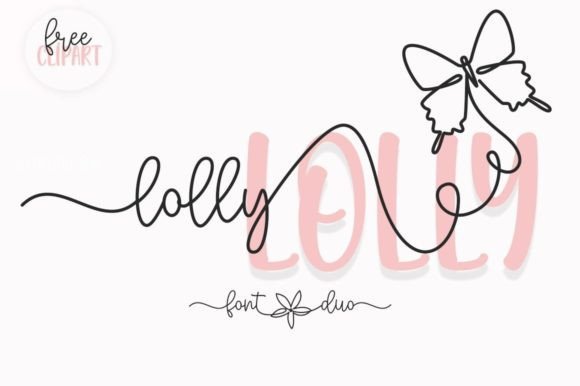
Lolly is a Script Handwritten font that brings a chic and cheery vibe to any design. It consists of two fonts designed to complement each other perfectly, making it ideal for projects where personality and visual harmony are key. When I first tested Lolly on the boutique’s logo concept, I immediately noticed its charm—it felt warm, approachable, and just right for a small business looking to stand out in a crowded market.
The two fonts in Lolly work well together or separately, offering flexibility in design. One is more delicate and flowing, while the other has a bolder, more structured look. This duality makes Lolly perfect for creating dynamic brand assets. Whether I was designing a website header, social media graphics, or packaging mockups, Lolly added that special touch of character that made the brand feel authentic.
Lolly for Packaging Design and Product Labels
When I moved on to the packaging design phase, I knew Lolly would be a great fit. The boutique sells artisanal candles and skincare products, so the packaging needed to reflect both quality and creativity. I used one of the Lolly fonts for the product labels, pairing it with a sans serif font for the main text. The result was clean yet stylish, with a handcrafted feel that aligned perfectly with the brand’s ethos.
Lolly’s Script Handwritten style adds a personal touch to product labels, making them feel more inviting and less sterile. I also found it useful for creating custom tags and stickers that could be printed on small batches. The PUA encoding feature of Lolly is a real plus here—it allows for customization and access to additional characters, which was handy when designing multilingual packaging for international markets.
Lolly for Logo Design and Brand Identity
One of the most critical moments in any branding project is the logo design. I used Lolly to draft a few logo concepts for the boutique, and it performed exceptionally well. The script style gave the logo a sense of movement and elegance, while the two fonts allowed me to experiment with different variations. I even created a secondary logo using the bolder font for a more modern twist.
What stood out to me was how Lolly maintained its legibility even at smaller sizes. This is crucial for logos that will be used across various platforms—from business cards to digital banners. I also appreciated the variety of weights and styles available, which helped in creating a cohesive brand identity without feeling repetitive.
Lolly for Social Media Graphics and Web Design
Social media is a powerful tool for brand visibility, and I wanted the boutique’s online presence to match its physical store. I used Lolly for Instagram posts, Facebook banners, and even the homepage hero section of their website. The font’s Script Handwritten style worked beautifully with the brand’s aesthetic, adding a playful yet professional edge.
For web design, I made sure to test Lolly in different contexts, including headers, call-to-action buttons, and taglines. The font’s readability at larger sizes made it a safe choice for headlines, while the more delicate version was perfect for subheadings and captions. I also considered the font’s performance on mobile devices, ensuring it looked great on all screen sizes.
Lolly for Editorial Design and Creative Studio Projects
When working on editorial design for a creative studio, I used Lolly to add a handcrafted element to their portfolio. The font’s Script Handwritten style brought a sense of warmth and individuality to the layout, making it feel more personal and engaging. I paired it with a minimalist sans serif font to create a balance between formality and creativity.
I also experimented with Lolly in flyer designs and promotional materials. Its versatility made it easy to adapt to different formats, whether it was a single-page brochure or a multi-page booklet. The ability to use the two fonts separately or together gave me the flexibility to create visually interesting compositions without overwhelming the viewer.
Lolly for Commercial Use and Licensing Considerations
Before finalizing the font for client work, I always make sure to review the licensing terms. Lolly is a commercial font, which means it can be used in print and digital projects, including websites, social media, and packaging. However, it’s important to check the specific license agreement to ensure compliance, especially if you plan to use it in templates or merchandise.
If you’re planning to use Lolly in a large-scale project, consider testing it in different environments to ensure it meets your needs. For example, if you’re designing a logo system for a restaurant, you’ll want to see how Lolly looks in various applications—on signage, menus, and digital platforms. Always prioritize readability, especially for long body text or small print sizes.